Can Termites Come Back After Treatment?
07 Oct 2026Many homeowners assume their pest problems are fully resolved once a professional team finishes the job. Unfortunately, even if you have treated your house for termites in the past, there is a possibility that they will return if conditions around the property continue to attract them. Ongoing vigilance and preventive measures are therefore essential, even after a successful extermination.
Why Do Termites Return After Treatment?
Professional termite treatment can help control an active infestation, but it does not always prevent future termite activity. New colonies may still enter the property if certain conditions are met.
Termite re-infestations are often linked to underlying risk factors that were not fully addressed after treatment. These include:
Unresolved Moisture Problems
Leaking pipes, poor drainage and persistently damp areas create favourable conditions for termite activity. Without addressing these issues, the property may continue to attract new colonies.
Untreated Entry Points
Cracks in foundations, gaps around utility pipes and other structural openings can provide termites with access to the property. New infestations may occur if these entry points remain unsealed.
Wood-to-Soil Contact
Wooden structures, fences, decking and stored timber that are in direct contact with the soil can serve as easy access points for termites searching for food.
Nearby Termite Colonies
Even after a successful treatment, active termite colonies may still exist in neighbouring properties, surrounding vegetation or nearby soil. These colonies can eventually spread and establish new infestations.
Lack of Ongoing Monitoring
Termite activity often develops gradually and can remain hidden for long periods. Without regular inspections, new infestations may go undetected until significant damage has already occurred. Additionally, treatments degrade over time. Without regular inspections and upkeep of bait stations or chemical barriers, the protection weakens. This leaves your property vulnerable to another infestation.
Common Signs of Termite Recurrence
Detecting a new infestation early can save you from extensive structural damage. Watch out for these indicators that termites have returned to your home:
-
Mud Tubes
Subterranean species can build pencil-sized tunnels along exterior walls and foundations. These tubes provide the pests with the moisture they need as they travel from the soil to your home.
-
Swarm Evidence
Seeing winged insects or finding piles of discarded wings near windowsills and doors indicates that a colony has matured and is actively looking to expand its territory.
-
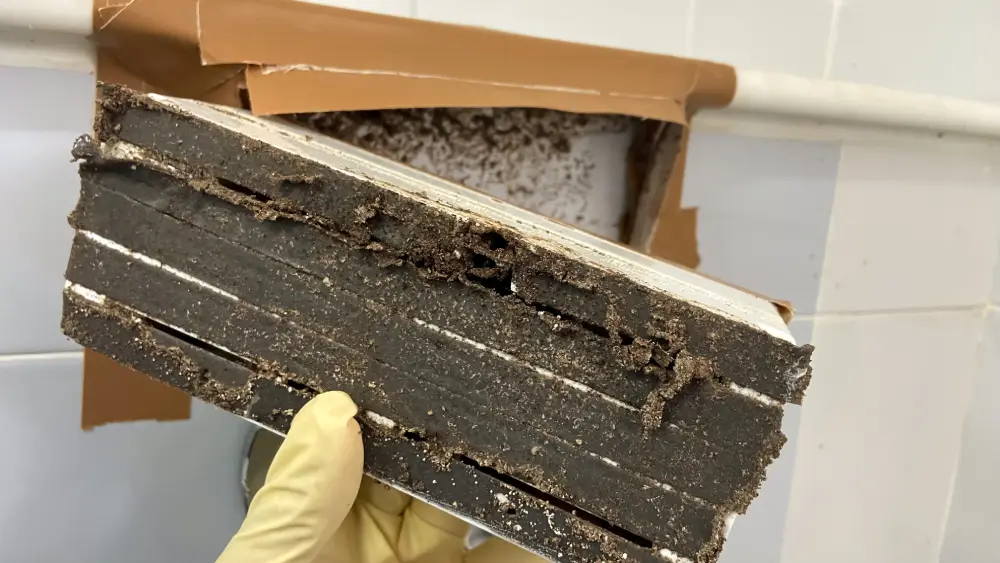
Damage Indicators
Wood that sounds hollow when tapped, appears blistered or crumbles easily may indicate termite activity.
-
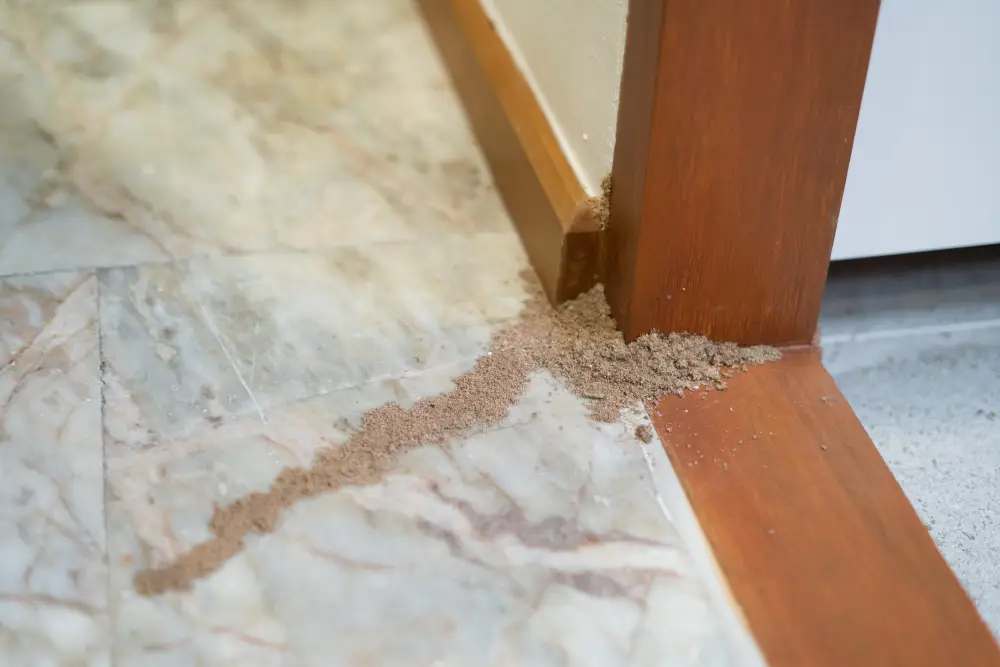
Faecal Pellets (Drywood)
Drywood species leave behind tiny, wood-coloured droppings (frass). If you find small mounds of these pellets under furniture or near baseboards, they may indicate drywood termite activity and should be inspected by a professional.
Protecting Your Home from Future Termite Infestations
Prevention of a second invasion requires consistent management and regular professional checks. Some of the most effective ways to keep your home safe from future invasions include:
-
Eliminate Excess Moisture:
Repair leaking pipes, faulty taps and drainage issues promptly. Improving ventilation in damp areas can also help create a less favourable environment for termites.
-
Remove Easy Access to Food Sources:
Keep wood, cardboard and other cellulose-based materials away from your home's exterior. Where possible, avoid direct contact between soil and wooden structures.
-
Address Potential Entry Points:
Inspect your property regularly for cracks in foundations, gaps around utility pipes and other structural openings that termites may use to gain access.
-
Implement Long-Term Professional Protection:
Partnering with an expert for regular monitoring and barrier top-ups provides the most reliable defence. Professionals can spot subtle changes and carry out preventive termite pest control treatments before major damage occurs.
Choosing the Right Partner for Termite Prevention
Regular inspections, prompt maintenance and early intervention remain the most effective ways to reduce the likelihood of termite reinfestation. By identifying warning signs early and addressing risk factors around the property, homeowners can better protect their homes from costly structural damage.
At PestWerkz Solutions Pte Ltd, we provide comprehensive termite inspections and long-term termite management solutions tailored to your property's needs. If you are concerned about recurring termite activity or would like professional advice on protecting your home, contact us to arrange an inspection with our team.
