Chemical vs Heat Treatment for Bed Bugs: Which Is Better?
09 Jul 2026Finding bed bugs in your home can be stressful and overwhelming. Most people’s first reaction is to start deep cleaning or using DIY sprays, hoping for a quick fix. However, these household solutions rarely work. Bed bugs hide in tiny crevices and multiply rapidly, making surface-level cleaning insufficient to eliminate an infestation on its own.
Professional pest control teams use two main methods to manage these pests: chemical applications and heat treatments. Both have their pros and cons, and knowing the differences can help you make an informed decision for your property.
What Is Chemical Bed Bug Treatment?
Chemical bed bug treatment is a method that uses specially formulated insecticides to eliminate bed bugs in their hiding and breeding areas. It is one of the most commonly used approaches by pest control professionals because it can target bed bugs across different life stages and provide ongoing residual protection.
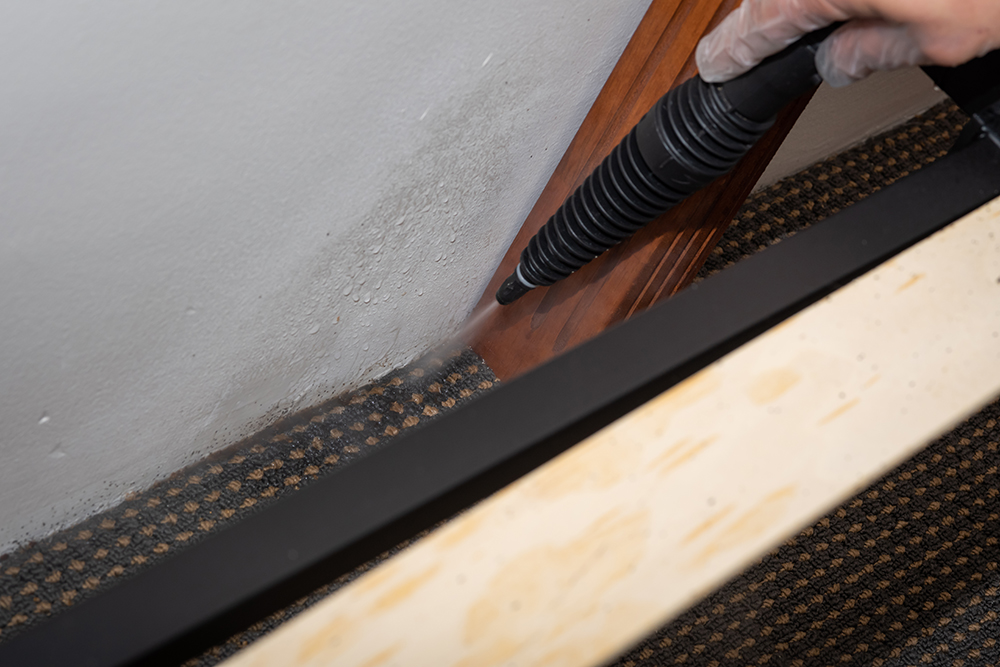
The process involves a detailed inspection to identify infestation hotspots, followed by the careful application of liquid sprays, aerosols and insecticidal dusts. These are applied to areas such as bed frames, furniture joints, baseboards and deep crevices, where bed bugs are most likely to hide. As the insects move across treated surfaces, they come into contact with the chemicals, which help eliminate them over time.
Advantages of Chemical Treatments
Chemical options remain the most common choice for many households, offering benefits such as:
- Cost-Effectiveness: This method generally requires a lower initial investment compared to thermal options.
- Targeted Application: Professionals can apply the exact amount of product needed in very specific, tight spaces, without affecting the property.
- Residual Protection: Many products leave an active barrier. This lingering effect continues to kill newly hatched bugs for weeks after the initial application.
- Availability: Almost every professional service offers chemical applications, making it easier to source.
Disadvantages of Chemical Treatments
Pesticides come with several limitations, such as:
- Resistance Issues: Certain insect populations have developed a tolerance to common insecticides. This resistance can make the chemicals less effective.
- Multiple Visits Required: You will normally need at least two or three visits to completely eradicate the pests.
- Limited Reach: Sprays and dust are only effective on the areas that have been treated, so bed bugs hidden deep within walls or other hard-to-reach spaces may still survive the application.
- Chemical Exposure: Some individuals and pets may have sensitivities to the odours or residues left behind.
What Is Heat Treatment for Bed Bugs?
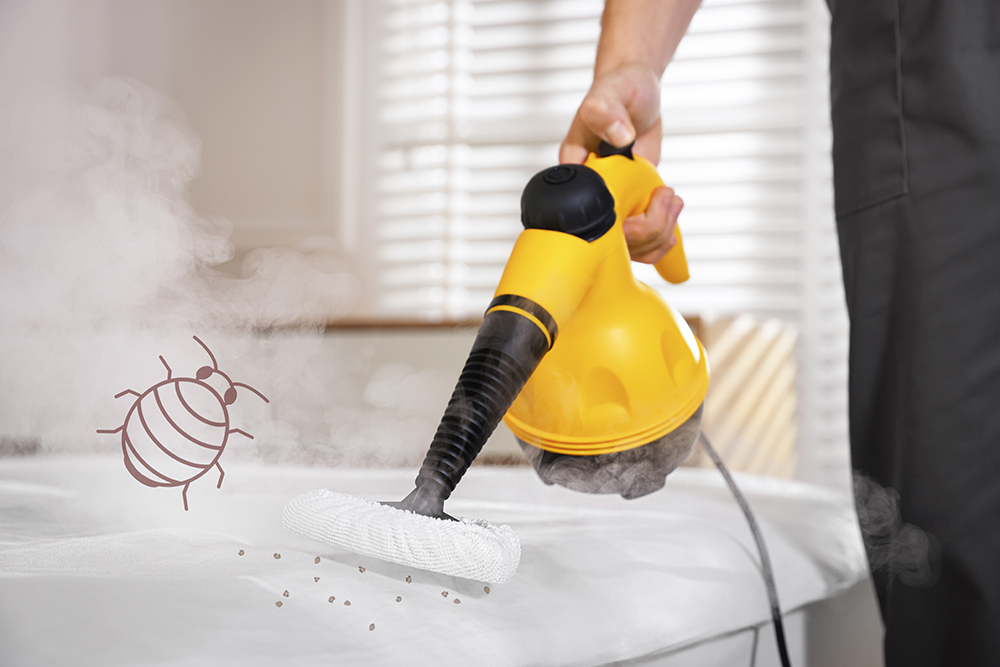
Heat treatment, also known as thermal remediation, is a non-chemical method that eliminates bed bugs by raising the temperature of an infested room to a level at which they cannot survive. It is carried out using specialised equipment to ensure consistent and controlled heat distribution.
Professionals begin by sealing the affected area and using industrial heaters to gradually raise the temperature to around 45°C to 50°C. High-powered fans circulate the hot air so it reaches mattresses, furniture and wall cavities, while thermal sensors are used to monitor and maintain lethal temperatures throughout the space for several hours.
Advantages of Heat Treatments
Thermal eradication is highly effective for severe infestations. This method offers a swift resolution to your pest problem.
- Eco-Friendly: The process uses zero synthetic materials. It relies entirely on temperature to clear the infestation.
- Immediate Results: High temperatures kill adult bugs, nymphs and unhatched eggs in a single session. You do not have to wait weeks for complete eradication.
- No Toxic Chemicals: Families with young children or pets often choose this route to avoid pesticide residues.
- Rapid Completion: Treatment is often completed within a single day, reducing the need for multiple service visits.
Disadvantages of Heat Treatments
While highly effective, thermal eradication has its own set of drawbacks, including:
- Higher Cost: The specialised equipment and intensive labour make this option more expensive upfront.
- Preparation Requirement: You must remove heat-sensitive items from the property. Candles, electronics and certain medications can melt or suffer damage during the process.
- No Residual Effect: Once the heaters are switched off, the temperature quickly returns to normal. This means that any new bed bug introduced afterwards can survive and potentially restart the infestation.
Which Bed Bug Treatment Is Right for You?
Every home requires a tailored approach to pest management. A pest control specialist can review these specific factors to determine the best bed bug treatment method for your property:
-
Infestation Scope
: Heat treatment may be suitable when rapid whole-room treatment is required, while chemical applications can be effective for targeted treatment of specific areas. -
Budget
: Chemical treatment is usually more affordable upfront, but the cost can increase if multiple retreatments are required due to resistance or hidden populations. If you want to compare costs accurately, you should review the standard pest control price for each specific method in your area. -
Health Sensitivity
: Households with allergy sufferers or chemical sensitivities may prefer heat treatment, since it will not leave chemical traces behind. -
Timeline
: Heat treatment is often completed in a single visit, while chemical applications take several weeks and multiple visits to achieve full eradication.
Finding the Right Solution with a Pest Control Specialist
Because bed bugs are notoriously difficult to eliminate completely, selecting the appropriate treatment strategy from the outset can make a significant difference in both effectiveness and long-term control. Neither method is universally better, and a professional assessment helps ensure that the chosen method addresses the extent of the infestation and reduces the risk of recurring problems in your unique situation.
At PestWerkz Solutions Pte Ltd, we evaluate each infestation individually and recommend the most appropriate treatment approach based on your property's needs. Contact us today to arrange an inspection and learn more about your bed bug treatment options.