Do You Have a Termite Infestation? Here's How to Tell
10 Jun 2026Termite infestations often go unnoticed until significant damage has already occurred. Unlike many household pests, termites operate out of sight, feeding on timber structures from within walls, floors and furniture. As a result, homeowners may not realise there is an infestation until visible signs begin to appear.
Early detection plays an important role in limiting structural damage and preventing infestations from becoming more extensive. But how can you tell if you have a termite infestation? In this article, we explore the common signs of termite activity and provide tips on identifying potential problems while they’re still in the early stages.
Common Signs of Termites in Your Home
Termites behave in highly specific ways, leaving behind a trail of physical evidence as they build their colonies and forage for food. Keep an eye out for these indicators:
Mud Tubes on Walls or Foundations
Subterranean termites build mud tubes to travel safely between their colony and their food source. You will often find these pencil-sized tunnels along exterior concrete walls or stone foundations.
Hollow-Sounding Wood
Termites consume wood from the inside out. Tap on your wooden doors, skirting boards or structural beams with a solid object. A hollow or papery sound may indicate that the interior timber has been eaten away.
Visible Wood Deterioration
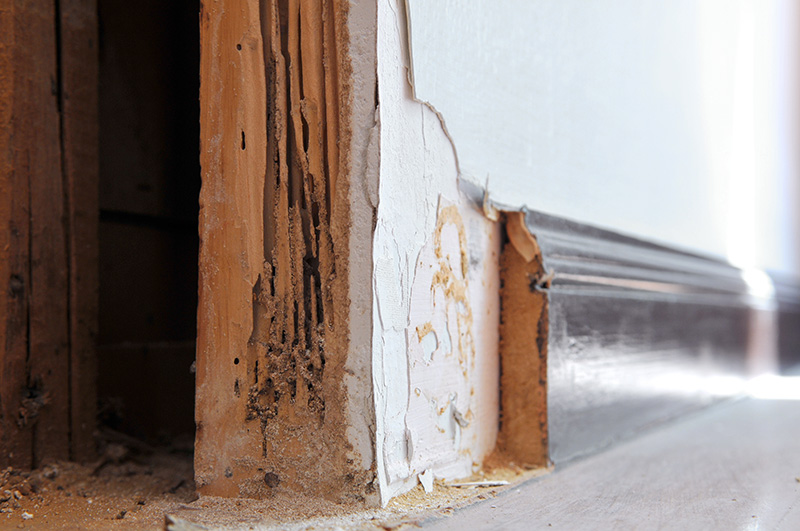
You may spot structural changes to your wooden furniture or floors. Look for wood that appears crushed, blistered or ripped on the surface. Long, maze-like grooves behind peeling paint also point to a termite presence.
Discarded Wings or Swarmers
Mature colonies produce winged reproductive termites called swarmers. These insects fly out to find mates and establish new colonies. They twist off their wings once they land, leaving behind small piles of translucent wings near windowsills and light fixtures.
Bubbling or Peeling Paint
Termites introduce moisture into the spaces they inhabit. This excess moisture can cause wall paint to bubble or peel, mimicking the look of water damage. Pin-sized holes in your drywall often accompany this distorted paint.
Frass or Wood Droppings
Drywood termites push their faecal matter out of their tunnels to keep their nests clean. This waste, known as frass, looks like small, wood-coloured pellets. You will typically find these piles resembling coffee grounds or fine sawdust near wooden structures.
Tight-Fitting Windows and Doors
When wood frames are consumed by termites, the timber can warp and shift shape, leading to windows and doors becoming hard to open or close smoothly. This is a subtle but important sign of termites in homes.
Mouldy Scents
Termite activity can often lead to a musty, mouldy scent similar to mildew. This smell is produced by the moisture they bring into the wood and the decomposition process of the affected timber.
Dark Stains on Your Walls
When termites build nests within wall cavities, the wet mud they use can seep through the plaster. This seepage creates dark patches or stains on your interior walls. The plaster in these stained areas often becomes soft to the touch.
Home Termite Inspection Checklist
While a professional inspection is the most reliable way to confirm termite activity, homeowners can perform a basic visual assessment to identify the presence of termites.
Apart from looking out for the physical signs listed above, you can investigate these key areas of your property:
Doors, Windows and Wooden Frames
Inspect wooden door frames and window frames for signs of warping, swelling or difficulty opening and closing. Pay attention to bubbling paint, small cracks and areas that feel unusually soft when pressed. You should also look for discarded wings on windowsills and around light sources, as these may indicate recent termite swarming activity.
Walls, Skirting Boards and Flooring
Examine interior walls, skirting boards and timber flooring for dark stains, bubbling paint, unexplained cracks or signs of wood deterioration. Tap suspicious wooden surfaces gently and listen for hollow sounds, which may indicate internal termite damage.
Furniture and Built-In Woodwork
Check wooden cabinets, wardrobes, shelving units and other timber furniture for blistering, surface damage or small piles of pellet-like droppings. Pay close attention to joints, corners and hidden areas where termite activity may be less noticeable.
Exterior Walls and Foundations
Walk around the perimeter of your property and look for mud tubes running along walls, pillars, foundations and utility entry points. These tunnels are commonly used by subterranean termites to travel between their nest and food sources.
When Should You Call a Termite Removal Specialist?
A self-conducted inspection only reveals surface-level problems, and retail sprays rarely eliminate the entire colony. This is why you need a reliable pest control company to handle the situation.
Licensed professionals use moisture meters and thermal scanners to locate pests hiding behind solid walls without causing any structural damage. Proper termite pest control ensures safe and effective termite elimination without putting your family at risk. Experts will assess the scale of the damage and recommend a targeted treatment plan.
If you are worried about the potential costs, you can always check pest control pricing guides online to find a package that suits your budget.
Preventing Future Termite Infestations
Eliminating an active colony solves the immediate threat, but deterrence requires consistent, proactive maintenance. Follow these practical steps to make your property less attractive to these destructive insects:
- Fix Leaks Promptly: Repair faulty pipes and taps to eliminate the damp conditions termites need to survive.
- Seal Cracks: Fill gaps in your foundation, walls and roofing to block potential entry points.
- Remove Wooden Debris: Keep fallen branches and loose wood off the soil and away from your home's exterior.
- Schedule Annual Inspections: Have a professional team inspect your property once a year to catch new activity early.

Protect Your Home From Unseen Pests
Finding termites in your home can be a stressful experience, but early detection makes a significant difference. Regular inspections of these key risk areas can help you catch any activity before it causes major structural harm. Keep your property well-ventilated, fix plumbing leaks promptly to reduce moisture, and always rely on professional guidance to keep your home completely safe from these silent destroyers.
At PestWerkz Solutions Pte Ltd, we provide comprehensive termite inspections and treatment solutions to help homeowners detect, manage and prevent termite infestations. To learn more about our services or arrange an inspection, contact us today.