Why Are Termites So Common in Singapore?
09 Jul 2026Termites are one of the most common causes of structural damage to homes in Singapore. These pesky bugs are active year-round, allowing them to grow rapidly if left undetected. As a result, many homeowners are caught off guard when the damage eventually becomes visible.
Understanding why termites thrive in Singapore is the first step towards protecting your property. In this article, we explore the factors that contribute to termite activity, the common species found locally and practical measures you can take to reduce the risk of infestation.
Why Termites Thrive in Singapore’s Climate
Singapore’s warm temperatures and high humidity create the ideal environment for termites to survive and multiply all year round. With constant moisture in the air, damp wood and poorly ventilated areas in homes become easy targets, giving colonies the conditions they need to thrive.
The problem is further amplified in densely built urban areas, where termites can move easily between properties. Through underground tunnel networks, they quietly travel across boundaries in search of food, making infestations harder to contain once they begin.
Common Termite Species Found in Singapore
Termites come in several varieties, and knowing which one has invaded your space helps in finding the right solution. Common termites include:
-
Subterranean Termites
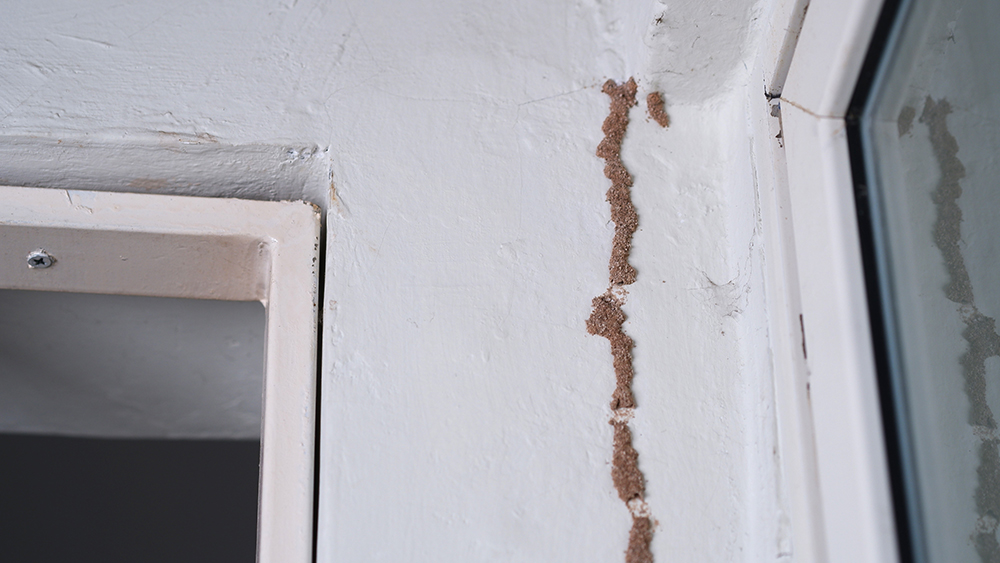
: These termites live in the soil and require a lot of moisture. They build mud tubes to travel safely from the ground to a food source above. Subterranean termites often cause significant structural damage if left unchecked. -
Drywood Termites
: These termites do not require soil contact. They live entirely within the dry wood they consume, such as furniture, door frames and roof beams. -
Dampwood Termites
: As their name suggests, these pests thrive in moist or decaying wood. You will typically find them in areas with water leaks or poor ventilation.
How Termites Damage Homes
Termites silently feed on cellulose materials within your property. They often remain undetected until the destruction becomes severe and highly visible. The consequences of an infestation go beyond simple cosmetic issues and affect the core stability of your building.
Left untreated, termite infestations can lead to:
- Structural damage to timber components throughout the home
- Damage to wooden furniture, flooring and built-in fixtures
- Warped doors and windows that no longer operate properly
- Expensive repair and renovation work
- Long-term deterioration that may go unnoticed until significant damage has occurred
Common Signs of Termite Activity
You should regularly check your home for physical signs of termite activity, such as:
- Mud tubes on exterior walls or concrete foundations
- Wood that sounds hollow when you tap it with a screwdriver
- Discarded wings near window sills or doorways
- Small, sawdust-like pellets around wooden furniture
- Paint that is bubbling or peeling without an obvious water leak
- Doors and windows that suddenly become difficult to open or close
Tips for Termite Prevention
Simple daily habits and minor home repairs serve as a strong defence against unwanted pest invasions. These include:
-
Fixing Water Leaks Promptly
: Moisture attracts pests of all kinds. Repair faulty pipes, fix dripping taps and ensure your air conditioning units drain properly away from the walls. -
Removing Unwanted Wood
: Discard old cardboard boxes and unused timber. Keep any wood elevated and away from the foundation of your house to prevent easy access. -
Sealing Cracks and Gaps
: Inspect your walls and foundation for tiny openings. Fill these gaps with appropriate sealants to stop insects from easily entering from the outside. -
Clearing Out Clutter
: Throw away old cardboard boxes, paper and unused wood from your yard and storerooms. These materials act as easy food sources for pests.
When to Seek Professional Help
Preventive measures can help reduce the risk of termite activity, but they may not be enough once a colony has become established. If you notice mud tubes, hollow-sounding timber, discarded wings or other signs of termite activity, it is important to arrange a professional inspection as soon as possible.
Termites often remain hidden within walls, flooring and structural timber, making it difficult to determine the full extent of an infestation without specialised equipment and expertise. A professional assessment can help identify active colonies, evaluate any damage and recommend the most appropriate treatment approach.
Termite control specialists often recommend a few proven methods, such as:
-
Termite Baiting Systems
: Workers carry slow-acting bait back to the colony instead of regular wood. This process eventually eliminates the entire nest from within. -
Soil Treatment and Barriers
: Specialists apply a protective chemical barrier around the foundation. This blocks underground entry and stops the pests from reaching the building. -
Wood Protection and Chemical Applications
: Direct application of targeted treatments to wooden structures deters future attacks. This fortifies your furniture and frames against any stray swarmers.
Protect Your Home with a Professional Pest Control Service
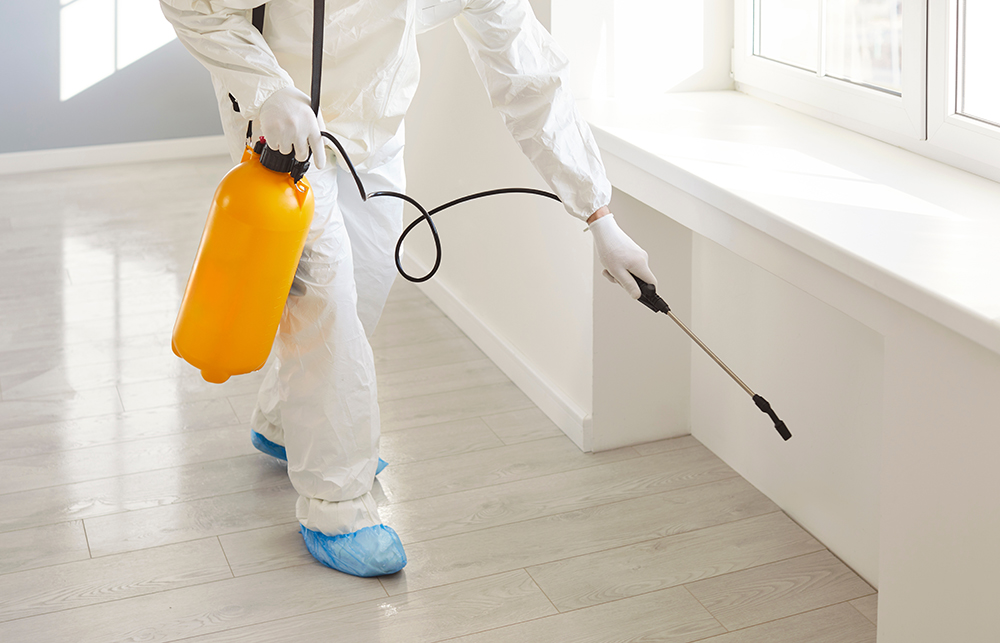
Understanding why termite infestations occur, recognising the early warning signs and taking preventive measures can help homeowners reduce the risk of costly damage. However, it is not always possible to resolve the root cause of an infestation through do-it-yourself methods. A licensed pest control company gives you access to trained experts who know how to locate and eliminate colonies safely.
At PestWerkz Solutions Pte Ltd, we provide professional termite inspection and treatment services tailored to homes across Singapore. If you are concerned about termite activity or would like expert advice on protecting your property, contact us to speak with our team and arrange an inspection.